Best AI Video Clipper Guide for 2026: Find the Fastest, Most Beginner-Friendly Tool
Finding the best AI video clipper can save you both time and money. Most tools offer tight free trials regardless of price, so higher cost doesn't mean better starter access.
That's why creators pick Clipper Next. The desktop app turns a long YouTube video into a captioned Short in minutes, with no subscription.
Picture a 30-minute tutorial. Paste the link, let the AI pick the top 60-second moments, add subtitles, and export a ready-to-post Short.
Quick steps: copy the URL, click “Create Shorts,” review the AI picks, tweak captions if needed, then export. Done in under five minutes.
For wider marketing help, see Marketing Guardians, a fractional CMO firm that turns fast video clips into steady growth.
Why a Dedicated AI Video Clipper Matters in 2026
A dedicated AI video clipper is a must-have in 2026. It grabs the best moments from a long video without you lifting a finger. That alone can save hours each week.
Creators face tighter schedules and higher expectations for fresh Shorts. Platforms reward quick turn-around, so waiting to edit by hand hurts reach. A focused tool cuts that lag to seconds.
In 2026 AI models understand context better, but they also need clear guidance. A single-purpose clipper knows which frames keep viewers hooked and adds captions automatically. That precision boosts watch time without guesswork. That means you can publish daily without burning out.
Beyond speed, you avoid hidden fees that pile up on subscription services. One-time desktop apps let you budget once and keep creating forever. If you need extra design assets, Gem Designs Pro offers a library of ready-made graphics that pair well with your clips.
Some creators need to follow specific guidelines, like Sharia-compliant finance content. Halal Accounts provides tools to keep your numbers clean while you focus on video. The clipper handles the visual side, so you stay on track with the rules.
So, if you want more Shorts with less hassle, pick a tool built just for clipping. Test the free trial, set your preferred caption style, and let the AI do the heavy lifting. Watch your audience grow as each clip hits the sweet spot.
Clipper Next: The Fastest, Most Beginner-Friendly Desktop App
Clipper Next feels like the shortcut every creator wishes they had.
It runs on your PC, so you never need a fast internet connection to start. Paste a YouTube link, click “Create Shorts”, and the AI picks the most hooky 60-second bits. Subtitles are added in seconds, then you export a 1080p file ready for TikTok, Reels, or YouTube Shorts.
Because it’s a one-time purchase, you never worry about a monthly bill creeping up. That makes it the most cost-effective pick in the best AI video clipper race.
The whole process takes under two minutes for most videos. You can sip a coffee while the AI finds the sweet spot.
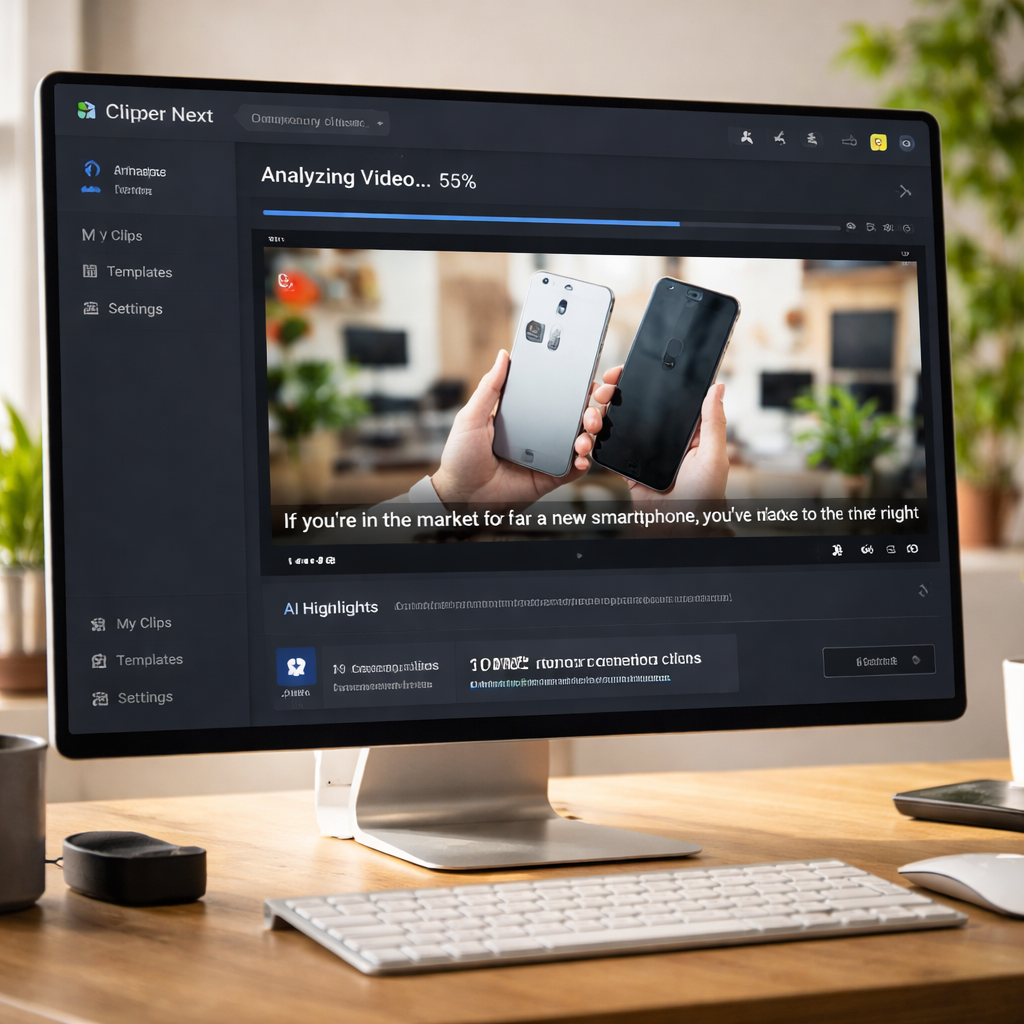
Beginner users love the clean layout, just a few buttons and a clear preview. No hidden menus, no confusing settings. If you mess up, a simple “undo” puts you back where you started.
Tip: set a weekly batch hour, drop all your long videos into the app, and let the AI do the work. By Friday you’ll have a full slate of Shorts ready to post.
Clipper Next also rolls out free updates. New caption styles, extra aspect ratios, and faster rendering get added without extra cost. That keeps it fresh as platforms change.
For a step-by-step walk-through, check the best AI video clipper guide. It shows exactly how to get from raw video to viral short in under five minutes.
Comparing Top AI Video Clippers: Features & Pricing
When you line up the big names, the picture gets clear.
Clipper Next leads with a one-time purchase, no monthly fees, and a desktop app that runs offline. Paste a YouTube link, the AI pulls the best 60-second slice, adds subtitles, and spits out a 1080p file in under two minutes.
Opus Clip offers a free-forever plan, but once you need higher-res exports or batch processing you jump to a $15/month subscription. Runway gives you AI editing tools, yet the free tier caps you at a few credits and the paid plan sits at $15 too.
Here’s a quick look at the core bits you care about:
| Tool | Pricing | Key Feature |
|---|---|---|
| Clipper Next | One-time $49 | Desktop app, instant subtitles, no watermarks |
| Opus Clip | Free plan; $15/mo for premium | Web app, auto-clip, limited export quality |
| Runway | $15/mo | AI editing suite, credit-based exports |
Notice the cost gap. Over a year, Clipper Next saves you roughly $180 compared to a $15 monthly plan. That means you pay once and keep using it as your channel grows.
So, which fits your workflow? If you want a set-and-forget tool that lives on your PC, the one-time deal wins. If you need a cloud service and don’t mind a subscription, Opus Clip or Runway might work.
Want the full rundown of why Clipper Next tops the list? Check out the best AI video clipping tool guide for deeper details.
How to Clip YouTube Videos into Shorts with Clipper Next (Video Walkthrough)
Ready to turn a long YouTube video into a bite-size Short in minutes? Follow these quick steps and watch the AI do the heavy lifting.
Copy the YouTube link you want to repurpose. Open Clipper Next, paste the URL into the main field, and hit “Create Shorts.” The app instantly pulls the video and begins scanning for the most engaging 60-second segment.
The AI shows you up to three clip options. Choose the one that best matches your hook or topic. If none feel right, click “Rescan” and let the model try again. You’re in control, but the guesswork is gone.
Subtitles appear automatically. Scan the text, fix any mis-heard words, and adjust timing with a single click. You can also change the caption style to match TikTok or Instagram aesthetics.
Hit “Export.” Select 1080p and the desired aspect ratio (9:16 for Shorts). The file renders in under two minutes, ready to upload straight to YouTube, TikTok, or Reels.
Tip: Batch a week’s worth of videos in one sitting.
Use Cases: From YouTube Automation to Faceless Content Businesses
If you need to turn hours of footage into bite-size clips, you’re not alone.
YouTube automation channels love this.
Podcasters can do the same.
Faceless content businesses also benefit.
Tips to Maximize Speed and Savings with Clipper Next
Want to squeeze every minute out of your editing routine?
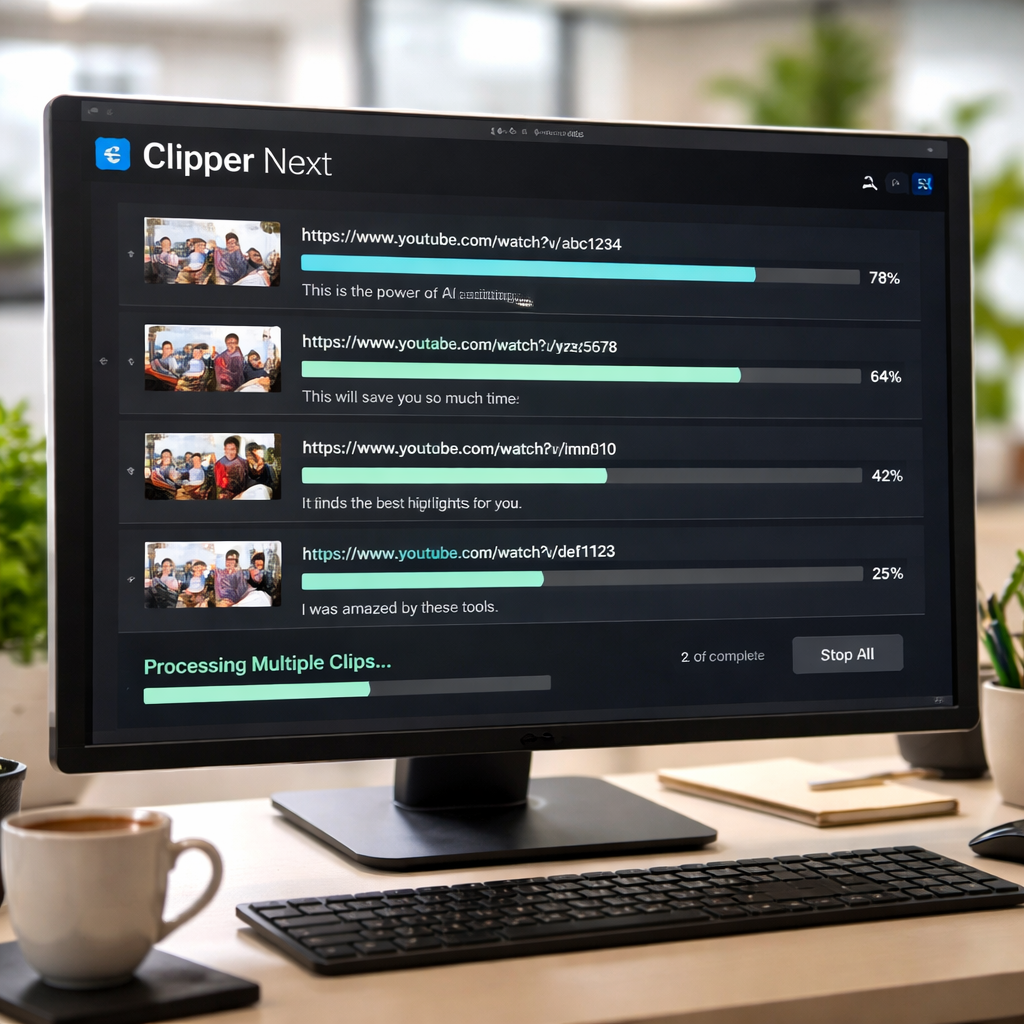
Follow these steps and keep your workflow lean.
Conclusion
You've seen why the best AI video clipper should save you time and money.
FAQ
What makes a tool the best AI video clipper for beginners?
Clipper Next is built for people who aren’t editors.
How does an AI video clipper save me time?
It scans, finds highlights, and auto-generates captions.
Do I need a fast internet connection?
No, it works locally.
Can I use it for multiple platforms?
Yes, TikTok, Reels, Shorts, LinkedIn.
Will the output have watermarks?
No, clean exports.
What’s the cost difference over a year?
You save hundreds vs subscriptions.